

Dan Shipper dropped a thought provoking yet seemingly obvious post.

My first reaction: yes.
Second: If cost of code will trend towards zero, what actually changes based on where the value sits.
Third: what can we learn from the past?
Caveat. This might age as well as fresh bread from the lovely local bakery, not a Meerlust Rubicon (top tier red wine). Genuinely curious to re-visit this post in 10 years time (reminder set!).
Here goes…
Abundance
LLMs will make code creation cheap, trending towards zero. But it will not make software worthless.
When code get cheap, the act of keyboard punching is no longer the bottleneck. I hear you, software engineering is more than that (I know!)
The way we design, integrate and earn trust with that code changes.
Most importantly scarcity moves upstream: attention and trust.
History tells a story
Printing press
Suddenly pamphlets, religious texts, you name it, were in abundance.
Books with beautiful bindings and signed copies. These became more premium.
Clothing
Fast fashion makes it trivial to own clothing. But top quality suits, your Gucci’s of the world etc still demand a hefty premium.
Side note: my wife hates fast fashion and is a pure cotton maximalist.
Entertainment
Music and video streaming drove the marginal price of music to zero. But live shows and concerts still demand a premium. Immersive experiences you could say.
Ok, so what is this abundance premium for software?
Dan is right: LLMs change how software is built. LLMs make it easy to spit out simple CRUD, auth, pricing integrations, all of that jazz. One person with an AI copilot can ship what used to take a team.
But the hard parts are harder than ever:
Building a trusted brand people will bet their reputation on (buyers)
Getting the mind share of human beings (this is going to get 10X worse in the future)
Workflows, not apps: Deeply integrating into the direct context of the users.
Solving compliance problems. This is why companies like Wise and Deel have such a huge moat.
Only a handful of companies can achieve all those things meaningfully.
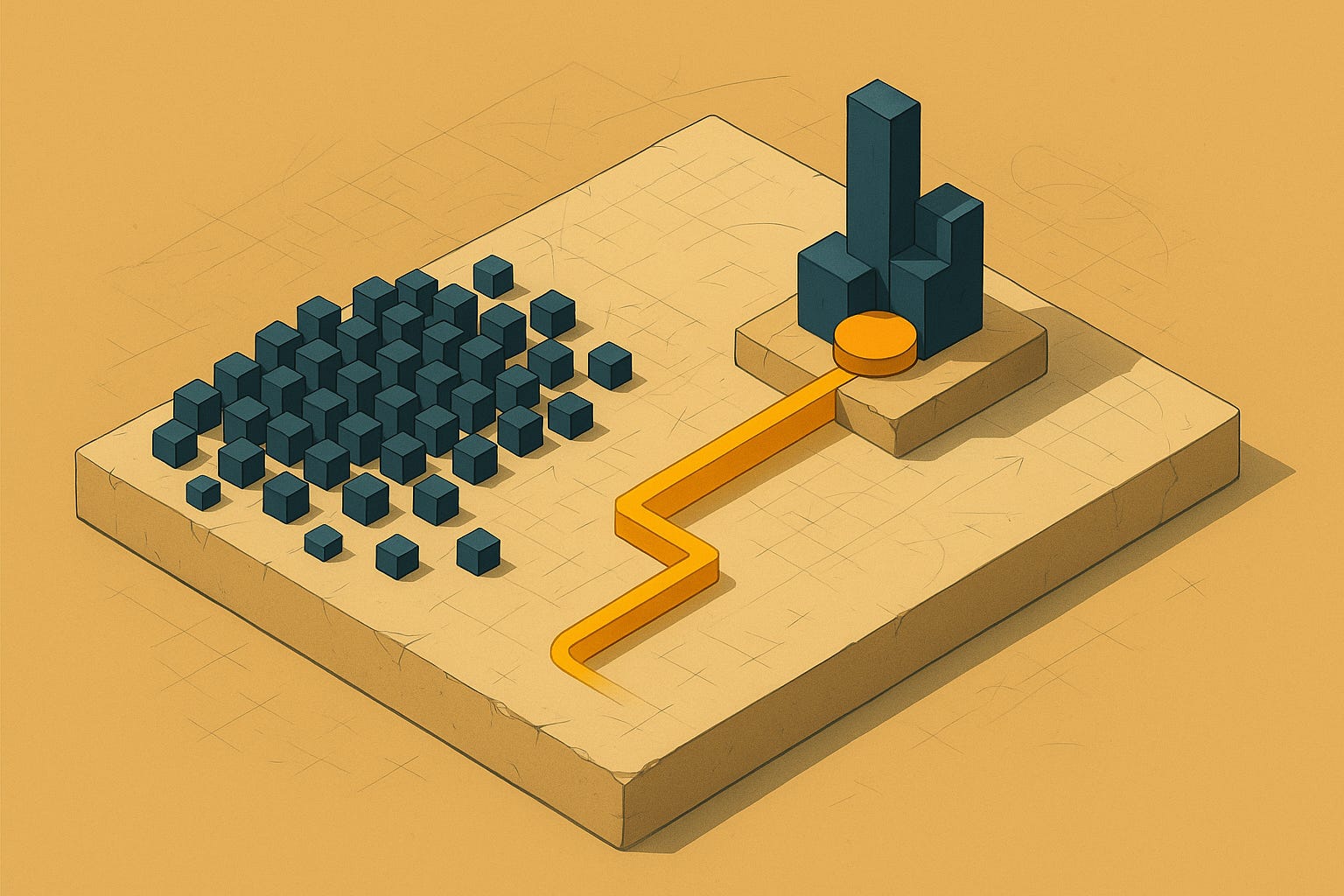
Humans are still humans: Enter the abundance premium
Code creation is in abundance. So the average product is better AND cheaper. And creativity soars as software is democratised.
But the really hard parts about creating a business/product that wins are going to get even harder. To stand out, you have to solve:
Brand: Narrative, trust and distribution
Workflows: Meet users at their context and solve compliance
Taste: Delight by default not exception
So that humans still want to hear from you.
The best people to solve those problems are going to be even more in demand and demand more of a premium.
And products built by those people will still demand a premium, cause they got the hard parts right.
Interesting article! I'm someone who generally avoids software engineering wherever possible and likes quick, dirty scripts. I live in fear of the day sometime finds my hideous Cursor-built libraries on Github and actually tries to decipher them.